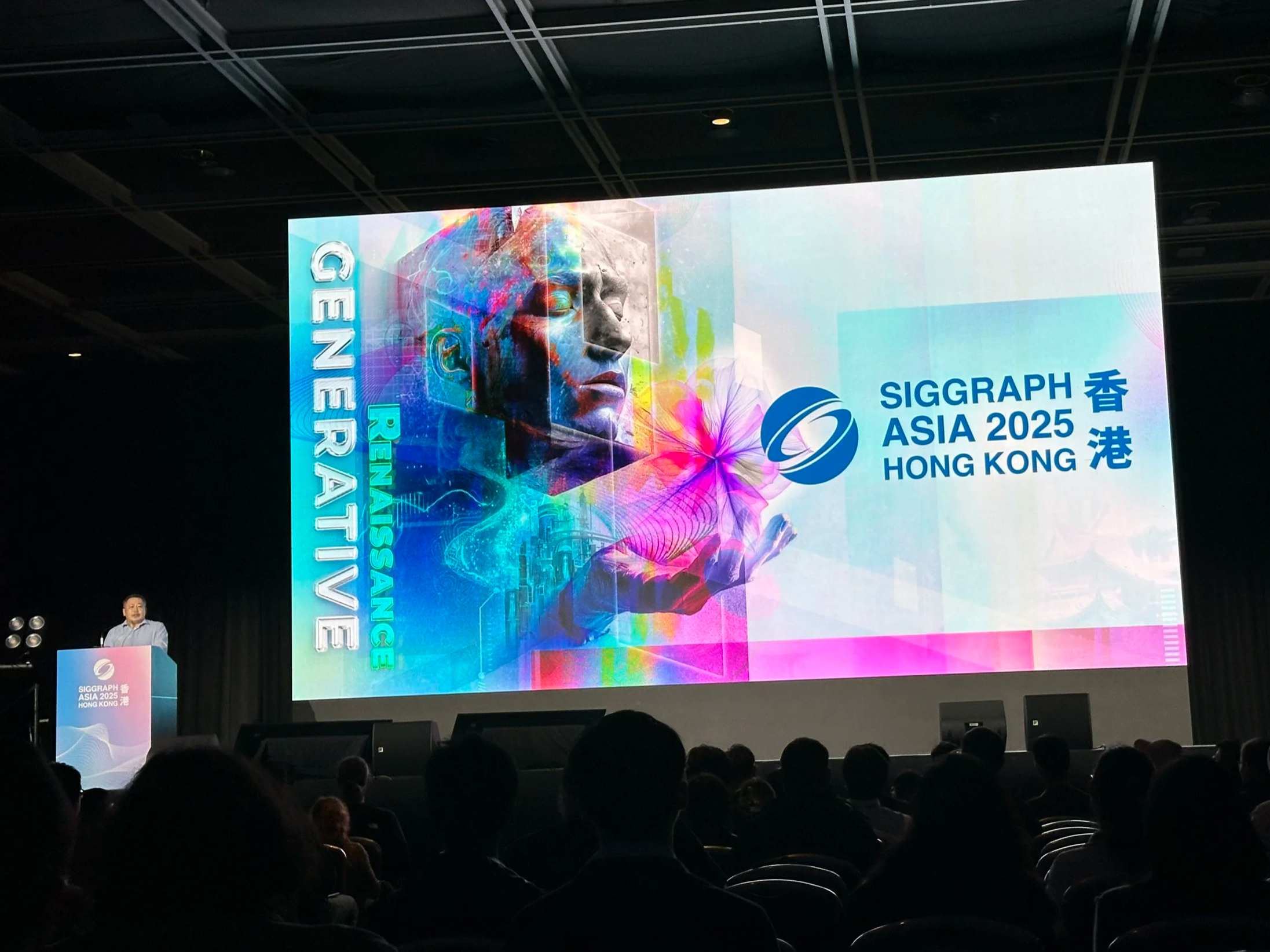
SIGGRAPH ASIA 2025
The 18th ACM SIGGRAPH Conference and Exhibition on Computer Graphics and Interactive Techniques in Asia
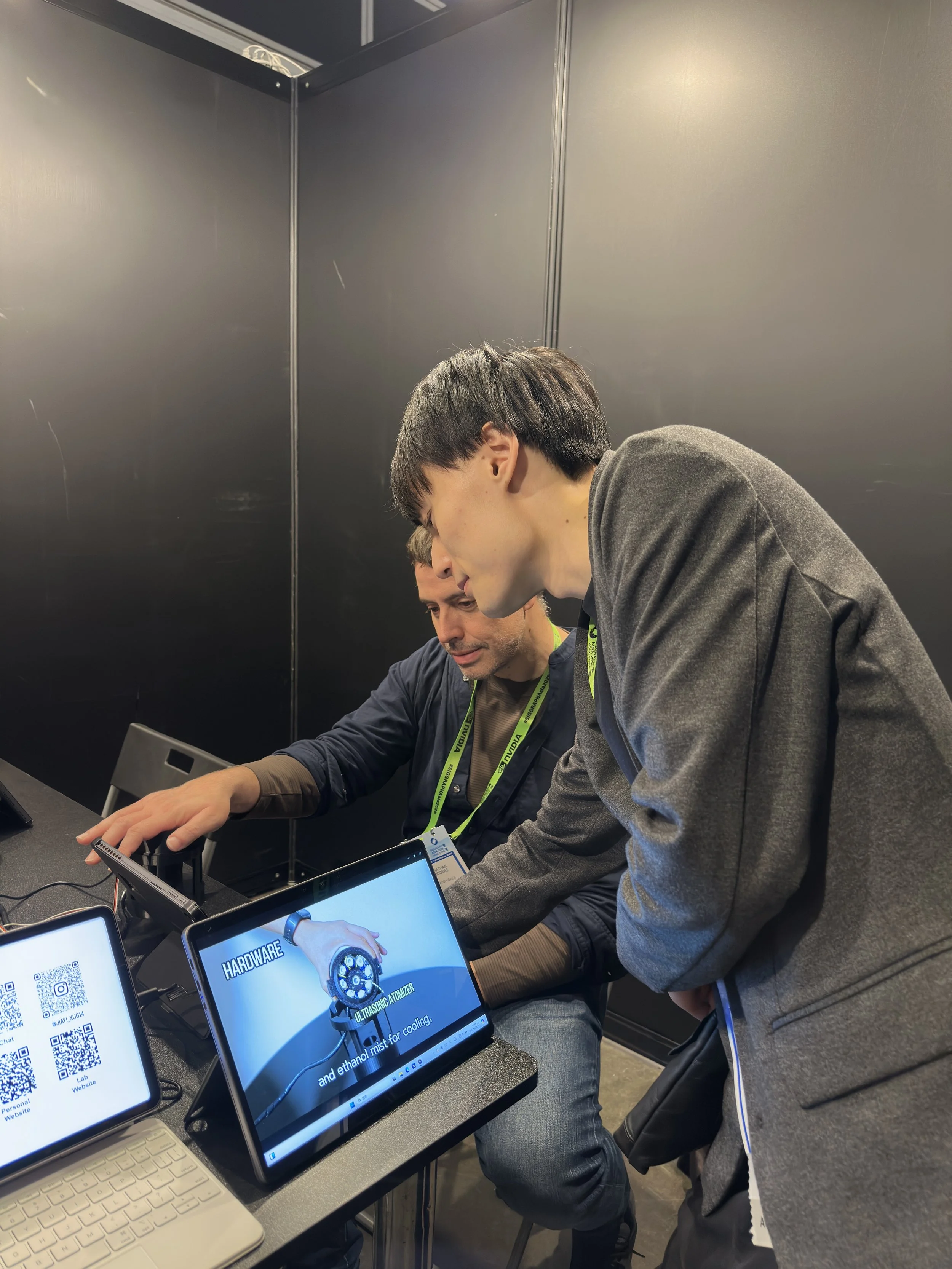
Emerging Haptic and Thermal Technology: The "Enchanted Touch" Experience
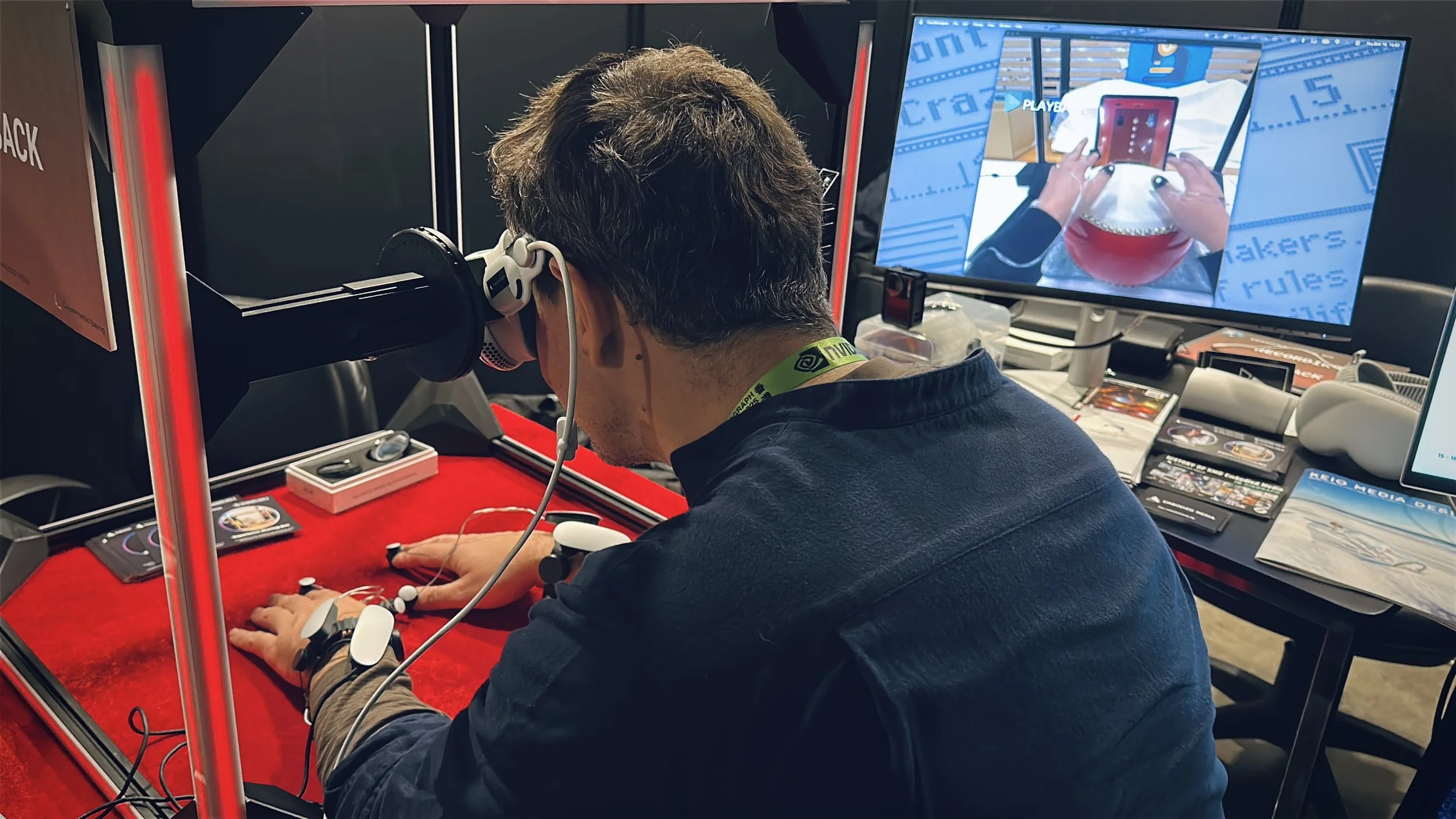
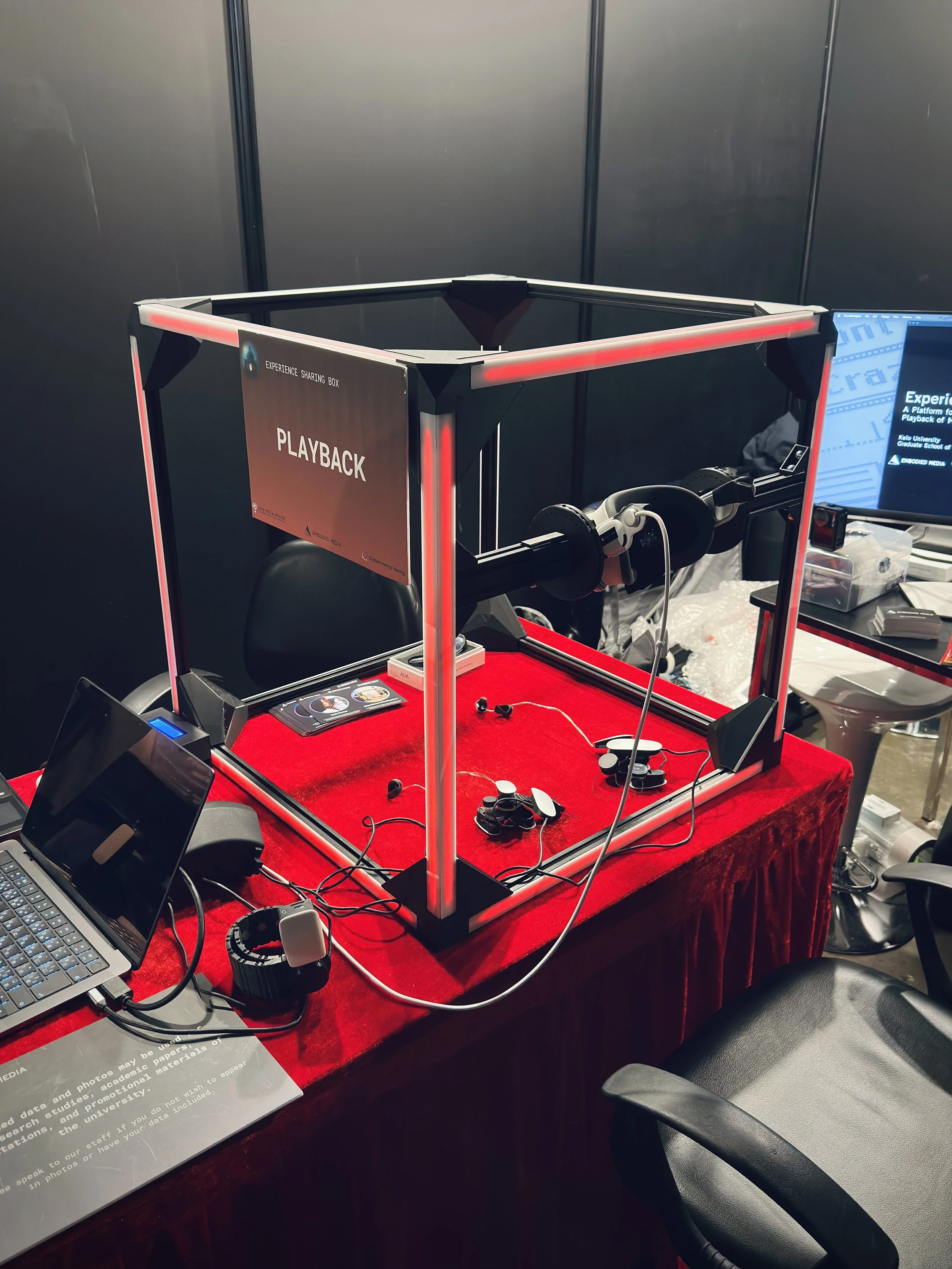
The haptic and thermal feedback technology showcased at **SIGGRAPH Asia 2025 in Hong Kong** represents a significant leap in sensory immersion. A standout demonstration, titled **"Enchanted Touch: Delivering Vibrotactile and Thermal Feedback Without Fingerpad Contact,"** developed by researchers including **Takumi Hamazaki** and **Hiroyuki Sakai**, perfectly illustrates the user's description of realistic hot and cold sensations delivered via fingertip devices.
How the Technology Works: The Science of Illusion
Unlike traditional haptic gloves that cover the entire finger, this device uses a "fingerpad-free" design. It clips onto the sides of the fingertip and the nail, leaving the actual fingerpad exposed to touch real-world objects. The sensation of heat, cold, and vibration is achieved through two sophisticated haptic illusions:
| Feature | Mechanism | Effect |
| :--- | :--- | :--- |
| **Thermal Referral** | Four compact **Peltier elements** (thermoelectric coolers/heaters) are placed on the lateral sides of the finger. | The brain "mislocalizes" the temperature change, perceiving it on the fingerpad that is touching an object, rather than the sides where the device is clipped. |
| **Nail-Mounted Vibration** | A miniature **Linear Resonant Actuator (LRA)** is mounted on the fingernail. | High-frequency vibrations are transmitted through the nail and bone to the fingerpad, simulating textures or impacts. |
| **Dexterity Preservation** | Spring-based clamping mechanism. | Because the fingerpad is unobstructed, the user can still feel the natural texture, softness, or hardness of physical objects while the digital layer is added. |
The Experience: "Enchanting" Everyday Objects
The technology is described as "enchanting" because it layers digital sensations onto physical reality. In the SIGGRAPH demonstrations, users experienced:
* **Animacy in Plush Toys:** Touching a toy's heart produced a realistic warmth and a synchronized heartbeat vibration, making the object feel "alive" while maintaining the feel of the fur.
* **Elemental Card Games:** Holding a "Fire" or "Ice" trading card triggered immediate, intense heat or cold sensations as if the card itself had changed temperature.
* **Dynamic Tablet Textures:** Sliding a finger across a smooth tablet screen could feel like rough stone, cold metal, or warm wood, depending on the visual content.
Mainstream Potential in Gaming
The advancement of this technology suggests it is rapidly approaching mainstream viability for gaming and consumer XR (Extended Reality):
1. **Seamless Integration:** The compact, clip-on form factor is much less cumbersome than full haptic gloves, making it more likely for casual gamers to adopt.
2. **Multimodal Immersion:** By combining thermal (temperature) and vibrotactile (texture/impact) feedback, developers can create "material-aware" games where a player can literally feel the difference between a cold steel sword and a warm wooden torch.
3. **Low Latency & High Fidelity:** The use of Peltier elements allows for rapid temperature shifts, essential for fast-paced gaming where environmental changes (e.g., entering a frozen cave or standing near an explosion) must be felt instantly.
4. **Any-Object Interaction:** This technology allows any physical prop—a plastic gun, a flight stick, or even a simple desk—to become a high-fidelity haptic controller.
Conclusion
The "Enchanted Touch" technology experienced at SIGGRAPH Hong Kong proves that haptics have moved beyond simple vibrations. By leveraging biological illusions to deliver thermal and tactile feedback without sacrificing the natural sense of touch, this technology is set to redefine immersion in the next generation of gaming and mixed-reality experiences.